
Employee-led Buyouts - Apis & Heritage - Phil Reeves and Michael Brownrigg

 Apple Podcasts
 Spotify
 YouTube
 Amazon Music
 Overcast
 PocketCasts
 Castro
 Podcast Addict
 RSS Feed
 Phil Reeves and Michael Brownrigg, co-founding partners of Apis & Heritage Capital Partners, discuss their employee-led buyout (ELBO) strategy that converts lower middle-market businesses to employee ownership.
They detail how they sourced and structured the Blooming Nursery transaction (Cornelius, Oregon), including screening criteria, diligence on agriculture-specific risks like seasonality and weather.
They explain ESOP mechanics, trustee oversight, tax advantages, multilingual employee communications, post-close governance and ownership-culture training, operational upgrades, and their non-sale exit model focused on refinancing principal and monetizing warrants as the business grows.
Get The Full Episode Notes Here
Guests:
Phil Reeves: Co-founder, Apis & Heritage
Phil@apisheritage.com | LinkedIn
Michael Brownrigg: Co-founder, Apis & Heritage
Michael@apisheritage.com | LinkedIn
Deal Highlights:
Blooming grows branded, high-quality plants and sells exclusively to specialty garden centers across the western U.S. Demand is tied to seasonal and weather-driven buying patterns which creates diligence and forecasting challenges.
Apis & Heritage found the deal through a brokerage and structured the acquisition as a sale into an ESOP, enabling the founder, Grace Dinsdale, to receive about 90% of value upfront. The ESOP approach protected the land and Grace's legacy by keeping ownership with the company and workers.
The debt transaction put roughly 70 full-time employees plus about 50 seasonal H-2A workers on a path to wealth, with plan tweaks so seasonal workers could earn shares. Post-close, Apis & Heritage added governance, ownership-culture training, finance upgrades, and expanded capacity with new greenhouses. Apis & Heritage received share purchase rights along with their subordinated note which gives them the opportunity for upside.
I'd love to connect with you on LinkedIn. You can find me here.
⋯⋯⋯⋯⋯⋯⋯⋯⋯⋯⋯⋯⋯⋯⋯⋯⋯⋯⋯⋯⋯⋯⋯⋯⋯⋯
Important Disclaimer You Need To Read
All opinions expressed by Mark and podcast guests are solely their own opinions and do not reflect the opinion of the firms they represent.
No effort has been made to verify facts presented by guests. Facts are believed to be accurate at the time of publishing only. No updates have been made since the date published.
This podcast and related content are for informational purposes only and do not constitute financial, investment, tax, or legal advice. Always consult a qualified professional before making any investment decisions.
This episode and web post are not and should not be construed in any way as a solicitation for investment or offering of securities.
Mark and guests may own positions in securities discussed.
Impact Investing Roadshow, Mandorla Group LLC, guests, and Mark King disclaim any and all liability for actions taken as a result of listening to or reading this educational content.
All content is Copyright by Mandorla Group LLC. All rights reserved.
undefined:
Nobody wants to hear a PowerPoint from Shakespeare about creativity in writing. They want to hear the story of how he wrote Hamlet.
Speaker:
That's why here on Impact Investing Roadshow, we believe the best way to understand an investor's craftsmanship is to hear them dig deep into the story of a single investment. I am your host and tour guide Mark King. On this episode, you and I are going to hear from Phil Reeves and Michael Brownrigg from APIs and Heritage Capital Partners, APIs and Heritage was launched in 2021 with the goal of addressing wealth gaps in the United States by investing in buyouts or ebos, uh, elbows. Affectionately, it's a fascinating strategy using employee stock ownership plans or ESOPs. As an exit strategy for middle market business owners, I'm joined by two of ais and Heritage's co-founding partners. Phil Reeves is based in Washington DC at a NH. He oversees the firm's investment activities and he began his career at Lehman Brothers, which has to involve a story or two, but we did not go there in this, uh, in this conversation. He also brings more than a decade of experience working with and growing small businesses across public, private, nonprofit, uh, all sorts of different, uh, small and medium sized businesses. He's also a proud, uh, Morehouse alumni. Joining Phil is Michael Brownrigg. Michael leads a and h's efforts out in the western half of the United States and has spent much of his career designing and financing innovative impact to deals. From regenerative agriculture to health equity to these type of employee ownership transactions. Before co-founding a NH, he helped build total impact capital, one of the early impact investing merchant banks. He's based out in Burlingame, California, where he doesn't just live. He also has served as mayor of Burlingame since 2014. In this episode, Phil and Michael walk you and me through how Aon Heritage structured the Blooming nursery transaction. It's a unique structure that protected the founder's legacy and put more than a hundred full-time and seasonal Ag workers on a path to long-term economic security.
undefined:
We started our conversation with Michael explaining exactly how they first got connected with Blooming nurseries.
Phil and Michael:
So in the, in our first fund, most of our deals came from brokerages. These are a, there's a network of small business brokerages across the country. And this particular broker really understood the agricultural space. And so what happens when a seller is getting ready to retire? They've never sold a business before in most cases. They don't really know what to do. And so they ask their lawyer or their financial advisor, and that person then connects them with a broker who puts together an offering memorandum that describes the business and puts it on the internet basically. And so these businesses are coming across people's screens all over the country, and they come across ours. So we have some filters that we put in place for size and for the kind of company we're looking for. And blooming made it through the filter. It was an interesting conversation because while we, our intent on finding companies with great, lower and can go first. Um, so in the, in our first fund, most of our deals came from brokerages. Um, these are a, there's a network of small business brokerages across the country. Um, you know, some of them, uh, call themselves investment banks. That's a bit of a grand term for what, um. Most of them are, you know, half a dozen people, but they focus on specific niche. And this particular broker really understood the agricultural space. And so what happens when a seller is getting ready to retire? They've never sold a business before in most cases. Uh, they don't really know what to do. And so they ask their lawyer or their financial advisor, and that person then connects them with a broker who puts together an offering memorandum that describes the business and puts it on the internet basically. And so these, um, offer, these businesses are, um, coming across people's screens all over the country, and they come across ours. So, um, we have, uh, some filters that we put in place, uh, for size and for the kind of company we're looking for. And, uh, blooming made it through the filter. It was an interesting conversation because, uh, while we, our intent on, um, finding companies with great, uh. Lower and, uh, low moderate income workforces because our model helps lift those workers up. We hadn't necessarily considered the agricultural sector. We had been looking at the trades and other essential service providers, so it was a bit of a conversation in-house, but that's how the deal came across from a brokerage that was based up in Seattle, Washington?
Mark:
So the, the nursery's located in Seattle?
Phil and Michael:
No. So the nursery is in Cornelius, Oregon. So it's about an hour outside of Portland. Which, which I didn't know had this old sort of agricultural farming community that's been there for decades.
Mark:
you mentioned the range of quality of brokers. How did that help the process or kinda slow it down
Phil and Michael:
the broker here we thought was really strong for a lot of companies we interact with. These are small businesses that haven't had audit financials, they haven't had reviewed financials. They're relying on sort of internal books. And this broker happened to also have a CPA practice. And so they were able to sort of quarterback the financial work that a lot of the investment banks at a bigger scale are doing and help kind of translate the internal books for our team, the Q of E team, the bank. So really value added in this process.
Mark:
When you're first looking at something, you get a deck from a broker what's kinda that first tier, the 40,000, 50,000 foot level screen that you, read these pitches with?
Phil and Michael:
So I think it's changed as we've gotten more sophisticated and more practiced, but it, there were some fixed filters. So every company has to have 40 workers. We set that as a floor because when you layer on the employee stock ownership process, the ESOP structure, you need to have enough employees to make that extra overhead worth it. We had a profitability minimum, so we were looking for companies with EBITDA of one and a half to two as a minimum. And then we were looking for sectors or for companies that had a, significant number of hourly workers or low and moderate income workers. And we judged that by the jurisdiction in which. Those workers resided. So those were some of our, our first filters. As we became more sophisticated, we realized that we were also looking for companies where there was a quality differential. This is a point Phil makes because when you create an employee owned business if it's just about price, the being the lowest price supplier, then labor is usually what the, you know, the line item that gets crushed. And that's not a great environment for employee ownership. But if the company has an underlying value proposition, they're the best at landscaping, or in this case, they're, they're a nursery that produces only high quality plants. They don't try to sell through big box. That creates a virtuous cycle upwards of employee ownership being more invested, trying even harder to make a great product or a great service. So it isn't really a filter, but we have found that over time that becomes why we lean into certain enterprises over others.
Mark:
When you're going into a new company like this and looking at somebody who's looking to exit, gimme the high level on how an ESOP is different than a traditional exit.
Phil and Michael:
so for a lot of owners. Especially now with the sort of the silver tsunami, the baby boomers trying to retire, that includes a lot of business owners who need to transition their businesses. And so they're faced with a few options. They can sell their business of private equity, which I think that structure is getting more and more known. They can sell to a strategic or a competitor. Or, now there's this new thing of independent sponsors and search funders and a and h our big thing is another option which is selling effectively to your employees. And so the structure we use is the, as you mentioned, the esop, the employee stock ownership plan. And that's been in play through ERISA law for, call it 50 years. And the whole idea was to allow the, the people that built the company to become the owners of it and effectively through a retirement account. I think that this is the big, sort of innovation of a and h is we make that process a lot easier. We know how that transaction works. We can sort of quarterback it and then we can bring capital so that for the owner, it looks and feels a lot, you know, not, not exactly, but in many ways similar to a private equity transaction, but instead of your business being in the hands of, you know, x, y, z capital partners, it's ultimately in the hands of the employees. And the, the benefit is obviously for the employees, they get a chance to build wealth is sort of, you know, what motivates us. But then there's also a lot of investment outcomes. You, you see higher retention, higher productivity, employee owned businesses. And there's also some tax advantages which we can get into here.
Mark:
Tell me a little bit about the owner of Blooming. Why was she interested in an esop?
Phil and Michael:
That's an interesting way to phrase the question, and in fact, I'm gonna take a step back and then answer it. You know, a lot of people have heard of ESOPs. We call our transaction an employee led buyout, an elbow, but it's into an esop. And a lot of people have heard of 'em and then they don't, they haven't heard much about them. And in fact, the number of ESOPs hasn't grown that much. And so I think a lot of people believe that's because the ESOP structure is very difficult or just not really a viable option. And this was really. The insight that Todd Leverett our co-founding partner had years ago, which was the reason there aren't more ESOPs is because it's really difficult for a seller to arrange a sale into an esop. Among other things, there's a number of reasons why that is, but the probably the most important is that if you try to do what we call a do it yourself esop, which is what the world expected a seller to do, that seller was going to only get about one third of the value on day one, and then the other two thirds was they were gonna have to carry in a seller's note that might take a decade to pay off. So really not an attractive option to private equity or a strategic buyer. So most of the sellers, including Grace Dinsdale, who is the owner or was the owner of Blooming Nursery, had not. Anticipated selling to their employees had not, not occurred to them, but they get an offer when they put their business up for sale that comes from Aus and Heritage. And if they look under the hood, they realize they're gonna get paid 90% of the value of their company on day one, just like private equity. But unlike private equity, in the long run, it'll be the workers who benefit from the next generation of wealth that that company provides. And once Grace understood that part, she fell in love with the transaction. So she didn't know anything about it going in, but she fell in love with it once she figured out what it would mean for the longevity of her business. We call it the Legacy Fund because we think owners can help establish and anchor their own legacy and their company's legacy in their communities with this kind of structure. That's how it worked out. She found out about employee ownership from us. Then fell in love with it Grace's family had owned that land that the farm was on for decades. I mean, the nursery had been around 40 years. I mean, this was her saying it was her baby. It was like a understatement and I think what Grace had seen is. Traditional private equity teams, if you will, taking over nursery specifically and agricultural more generally, and not understanding the nuances of that industry. And so seeing companies with terrible outcomes, and so she did not want that for her family farm and her legacy. And, she cared deeply, deeply about her people and cares, I mean, still does deeply deep about her people. I mean, she says like, if, if a and H had not come along, she there, there, she probably wasn't gonna sell. She just couldn't find someone who she thought could carry forward this business the way that she thought it needed to be. And so I think employee ownership was. The right strategy for her specifically. And we're super excited to have kind of gotten a chance to partner with her and sort of bring that to life.
Mark:
When you're talking with her initially given the ESOP model tell me a about the, the conversations around leadership and succession. Was she planning on staying or how do you handle the conversation around transition as well as the financing of things.
Phil and Michael:
I think on this one, well, all of our deals, let's just say the idea of managed position is, is big for us. It's sort of a, you know, a key diligence point. We wanted Grace to stay on. I mean, think about it, she had led this business for 40 years. They had been on a great growth trajectory and she understand the nuances of her business specifically, but the industry more broadly. In a way that's very like, intuitive. And so a lot of our work around the transition was getting some of the knowledge out of her head, and then most importantly, getting it transitioned to more and more people at the executive level. They had a really, like, they have a, you know, a really flat organization. And so we wanted to build that out some before Grace departed from a full-time role. And I think the, the conversation was always, Hey, let's, let's bring in someone to sort of sit alongside Grace, see a couple of growing cycles, get a feel for this business and, you know, the, the industry more broadly. You have to point out that most of the people who are selling their business, not all of them. Most of them are doing it because they plan to retire. And we honor that. We want people to be able to retire. So we ask for a transition period, but we go into most of our transactions fully prepared to find a new leader for the business.
Mark:
What were some of the things that popped up as either big things you knew you didn't understand, or big risks because of the nature of the business.
Phil and Michael:
the thing about ag they always tell you is like, Hey, it's very, very cyclical. And it is, but I think there's, there's this other risk that I think you don't think about until you're deep into an ag deal, which is weather. Weather can blow a whole season. Crop insurance can blow a whole, you know, season. And so what, we learned through this transaction is that when we're going out and doing transactions, we're normally raising from CNI bankers, business bankers, you know, we know how to underwrite those loans. It turns out there's a whole set, like kind of an adjacent community for ag lending. You're not just getting a mortgage on a commercial property, you're getting a mortgage on a farm, and that's a different person at whatever bank you have a relationship with. You're not just getting a term loan or a working capital line, you're viewing that for an ag business, and that's a probably a different person at the bank you're working with. I think we sort of got up to speed pretty quickly on the sort of ag specific work from an, like, we did a lot of work on the crop insurance concept. We had specialists around us that did ag appraisals of farm appraisals rather like appraising and greenhouses and the bankers themselves, you know, ended up educating us along the way. But I think the, what stuck out for us was the silicon nature is obviously the thing everyone talks about. But what's fascinating is at the end of the growing season, these businesses are sitting on literal cash. So the cash flow is very clear, it's very definable and it's very usable. And so that was sort of the underwriting like, hey, if, you know, we have, if, you know, there's a little bit of if there, but if you have a good year, you're gonna have true free cash flow that you can use to invest in the business in a way that's sometimes harder to pin down than sort of a, you know, a typical operating business.
Mark:
because the land is so intertwined with the business. Is the land owned by the company?
Phil and Michael:
There's a holding company here, and then the holding company has the. Land and the operating business but effectively the company owns the land, is the, the punchline. And so I think we, we wanted that in the hands of the company and more importantly the workers. Because if you think about these farming businesses, the stories you'll hear are the land costs end up getting away from you. And either you're paying too much in, you know, sort of a lease to whoever the landowner is, or the landowner just decides one day, hey, it's just so much more valuable to build a data center than it is to have a farm. And so that business is asked to leave. And so we wanted that security for the workers and the business. And so that, that long-term ownership is what we're going after.
Mark:
Assuming the weather is great and yields are fantastic tell me a little bit about the actual business?
Phil and Michael:
What makes Blooming so attractive is the way they go to market. So, lemme explain. When you go to buy flowers, they're sort of really two big options. You can go to a big box retailer and those are the flowers. Like you go to the hardware store and there's like the flowers outside. And I think people know what I'm describing when I, when I say that. And then there are these really sort of, high quality neighborhoods or garden centers that you see kind of in the suburbs of the country blooming sells exclusively to those, that second group. So they sell to the retailers that, you know, that only sell nursery products. What makes blooming unique is that if you think about like you walk into a, you know, a plant or you're here to buy a plant, there's a few things about that. One, you're here to buy a pretty nice plant like you, otherwise you probably would've bought it somewhere else. And what made blooming especially unique is bloomie's plants are actually branded. And so if you go into a center that has blooming nursery plants, they're in a maroon pot that actually stands out. A la thought went into this whole maroon pot concept way before we got there. So that, that is the core of the business. Blooming, it grows the plants, they send them around, the, the western half of the United States into these neighbor high-end centers. And the buyer is basically typically a homeowner who has a garden.
Mark:
That raises an interesting question. You're transporting and distributing living things, it's not even like food that has a shelf life. I mean, you've gotta sustain these things. How, how do you think about kind of a understanding that and what are maybe the unique risks involved with that for blooming.
Phil and Michael:
So the, the thing that makes blooming so unique is the quality of the plant. The home buyer want to buy a plant and be successful with it. And so blooming takes great pride in the way they grow their plants. I think people don't realize, you think they plant a plant and then it grows and it goes to your house. But in fact, it's this very thought out mechanism where it's in this greenhouse or part of it, and they're watering it, they're caring for it. Then they put it outside for a little bit to literally harden it so that it's like a good plant for you. Then they're moving it to sort of a center. Where they're kind of bundling these orders. That's on a week by week basis. We're gonna take an orders every week, we're gonna package 'em every week. And then on, you know, Tuesday, Wednesday, Thursday, we need to be outta retailers because homeowners are coming on Friday and particularly Saturday and Sunday. 'cause that's when they're planning. And so really when we say the weather has to be good, if it rains on Saturday, you're kind of stuck because people aren't gonna, they're not gonna go out that Saturday and plant
Mark:
What other sort of diligence did you do on the team? You mentioned Grace, but she's exiting. You also got this ESOP structure where you know these folks are presumably gonna hang on for the long haul. How do you get to know the people involved, which are probably even more complicated than distributing flowers?
Phil and Michael:
No way more. I mean, this is, you know, lower middle market m and a. And so I think you'll hear these things like, oh, we met the management team, but, most lower middle market deals, you are not meeting the management team. They're trying to keep this transaction as close to the best as possible. And so the way we get at that is just a lot of conversations with owners. I mean, we're, we're trying to hear things and tease things out like you ask people, oh, where's he going? Vacation. And if they say like, oh, I haven't taken a vacation, it's like, okay, you're probably deep in this business, but like, we'll be on the phone with the owners sometime. Like, oh, I went to Alaska for the last six weeks. And we're like, oh, well clearly you are not criticals of operations. And we have a core belief that to get to the scale that we're talking about a business that does a million, 2 million, 3 million in EBITDA is it's hard to have like a ton of like owner dependency in that. And it's particularly hard in farming because it's such a, it's such a, literally just a large operation. Like you, you can't have one person farm for a 40 acre, piece of land. And so I think here it was really. Understanding how the business worked. And then we always try and do site visits. And so we're walking around, we're seeing people, I, it's, it's kind of weird. You're like pretending to be like an insurance guy or something like that. And you're walking around, you're trying to see the people, you're trying to hear overhear conversations, you're watching how people react. And I think in this one we had this premise of, Hey, we have this branded plot. Did that matter? So folks actually went to nurseries I think some of the guy guys went up to like random customers and were asking about like maroon pots. And so I mean, we're, you try everything you can to get us, we're not, we're not the biggest users of like, you know, these commercial diligence reports that you hear about. We kind of try to do it ourselves.
Mark:
At what point do you talk to the employees about the esop, how does that work in terms of kind of bringing them formally into the conversation?
Phil and Michael:
So that, I mean, it's funny, this is like a kind of a myth in employee ownership. So people think that, like you announce employee ownership to these workforces, everyone jumps up and down and I've literally never seen that. Like these people are scared. They were just told that the woman that they've known for the last 10, 15, 20 years is on their way out. And there's all these questions. This quasi private equity, private credit fund shows up and people have that. And so it's just a lot. So the way we did it here I thought was fantastic. So I'll try to step you through it. There's a very unique thing at Blooming that happens at, I think 5:00 AM every morning the entire workforce gets together and they stretch. They literally get together and they stretch their arms for the day. They do calisthenics. So the transaction closed, we were going to announce with the workers the morning of they do their calisthenics. And Grace, grace shared with them. That this has happened. And, you know, a lot of tears, a lot of questions. And she said, Hey, but the, you know, the a and h team will be here this afternoon. So then after that, we were on site and we first had this sort of round circle conversation with, the, I'll call it management team plus like, this is, you know, 10, 12, 15 people, and we're talking, introducing ourselves, getting to know people. I think a lot of this work is like trust. You've got to build trust. The humility on our team is you, you don't just walk in and just tell someone like, oh, you have to trust me and the trust, oh, this is gonna be great for you. Like, no, you need to earn it. So we come in and we earn it. Like this company, actually, this company's business is done in Spanish, so. We bring the people on our team that speak Spanish. I, I try to speak a little bit of Spanish. I know. It's a lot of cultural competency. And so we, we had that meeting and then we had the broader meeting with the entire workforce where we explained everything. So when we have these means, we have to bring in like headsets, like at the UN so that when I'm talking to a workforce, it's literally they hear it in their language. There's no delay. Like there's no, like I say it and someone translates it. It's, it's being directly translated in real time. And again, this is all like cultural nuance. We show videos that are, they're in Spanish with English subtitles. And so at at Blooming we do this Bill, Michael and I, and this guy stands up and he starts talking in Spanish, and I don't know what he's saying. And so someone hands me a headphones and then I put the headphones on, and then they start translating like he's. And this is what the translation was. The guy was like, guys, we have an opportunity here. Grace did something amazing for us. We need to carry this nursery to the next level. And I had never seen that before. I know Michael had never seen that before. Our team had never seen that before. And so, but it just shows you how I think Eager Ready and Taylor made this opportunity was for not only Grace, but the culture that she had built at Blooming,
Mark:
That's amazing. Just a quick fact check. How many FTEs or how many, like full-time, part-time, seasonal
Phil and Michael:
As Phil said earlier, agriculture is a seasonal business, so there are roughly 70 full-time year round. People on the blooming staff. Then as you start to move into the production season, you wind up adding about 50 headcount. And much of that headcount comes to blooming through the H two A Visa program. So these are folks often from Latin America, often Mexico, who come in for a set period of time and then help out. Interestingly, one of the nuances about an ESOP is that to, you know, to earn shares, you need to be a full-time worker, and that's defined as a thousand hours a year. So we're very intent on making sure that that promise is kept most of the H two A. Workers worked about 900 to a thousand hours a year. And so we were really intent on making sure they could also earn shares. We wound up tweaking the plan a little bit because the plan also says you need to be employed on the last day of the year to qualify for that year's allocation. And of course, a, a guest worker, the season ends in the fall, they go back to Mexico or back to wherever they're from. And so we, we made a couple of tweaks to make sure that those great workers who come year after year on the H two A program can earn shares and do earn shares in the in the esop. So that's the structure of the workforce for blooming it. It is the case in many of our businesses that there is seasonality. And so we're very careful to make sure hourly workers understand that they can still earn shares as long as they get in a thousand hours a year.
Mark:
Once you've worked your way through diligence. Everybody's all on board with the LOI or whatever you use to kind of nail down high level terms. You've gotten through diligence. How then do you guys make a, a final decision? How specifically did that conversation internally go about blooming?
Phil and Michael:
We have sort of a gated investment process. So things come into the pipeline. They get sort of a screen at the, call it partnership level. And then from there we kind of work through it at the, the top of the funnel. And then when it gets kind of formal, that's when you see a green light memo, what we call a green light router that requires an investment committee approval. And then we get to final investment committee and so I think with blooming the core diligence question, and kind of Michael hit on it was, did we think flowers. Would end up being a, a long-term, had long-term viability as an industry, and this was just the way investing into it. And I think that that's what kind of opened up the flood around all the industry research onsite work that Michael did, talking to industry experts. And I think that that was the crux of it, the, the ESOP mechanics and sort of the rest of the, the work around financial, you know, modeling all that, that that was all, I think, at least in my view, standard In terms of the, the process you know, this was this race questions because we, you know, we've said before, we wanna be in essential services, and that's largely because they are more resilient in downturns and recessions. And the question came up, if you are selling a product to consumers, is that really recession resilient? And that's a very good question. And of course there will be a decline in purchases. But what the fact that blooming had been in business for 30 years, we got to look at their performance through many cycles. And in each case they sometimes pause sales. They sometimes took a small hit, but they came back and then wound up adding more. And even during COVID in fact, they saw purchases jump because, well, one, obviously people were staying at home, but two, when there's a downturn, you might put off some of the more expensive ways you can make your home nicer. But adding to your garden is a passion and it's a, it's an affordable passion. And so our investment committee and our partners got comfortable with being in a consumer facing industry like this because of their track record. And that's one reason we like looking for companies that have a significant history behind them.
Mark:
Were there any other factors kind of about the macro market? I'm curious about how that feeds into the long-term strategy for blooming.
Phil and Michael:
I think this was the piece we were trying to figure out and it, I mean there's a lot of work. We were pulling home Depot, Lowe's, investor calls and trying to get their comments on how is their garden center doing relative to whatever it was. One of those CEOs kind of pointed out to be investing in a garden, you are probably a homeowner and everyone, I think there's like a general consensus that homeowners tend to be wealthier. We were pulling stats from I think it was the Bank of America consumer checkpoint that they were putting out every quarter. And they showed stats around the number of months of excess capital and people's bank accounts. At the time there was this concept of like, oh, there's so much capital in people's bank accounts from cover relief dollars, et cetera, et cetera, and people not spending money. There was excess savings. And we thought that would buttress if there was a downturn, you were saying to someone, Hey, you can make a 50, 60, $80 plant purchase because that is a marginal piece of your wallet share. But to Michael's point, you're not gonna do a kitchen upgrade. So we, we, A and h thinks a lot about cycles. 'cause we tend to be in kind of construction based industries and it's just how do you sort of play into the cycle?
Mark:
Let's talk about the closing process what's kind of unique about the ESOP closing process? And secondly, how did it go with blooming?
Phil and Michael:
So the unique thing about ops are you have this sort of third set of documents. So there's the, the m and a docs. I think everyone here knows there's the sort of the bank docs that folks know. And then without transactions, there's the ESOP documents. And this is setting up the trust the ESOP plan various inside loan agreements. And so I think, the act that we're dealing with and managing through is, the the ESOP trustee. And so every esop, particularly ones that are done, well have independent trustees that are a part of the, the transaction process. And their role in that process is to ensure they're, they're the ones there representing the employees. They're fiduciaries of the employees effectively. And so they're there to make sure that the transaction is fair to the employees. And most importantly, they're there to ensure that the esop, if you will, or the company or the employees aren't paying an above market price for the business, they're paying a fair price. And I do think this is one place where apus and Heritage has really started to move the market. That trustee relationship was created by Congress because in the old days, like we said, it was this sort of do it yourself process. It was the seller, the owner trying to sell. And the employees buying. But the employees didn't have a represent. The trustee was their only representative, and the trustee may or may not really understand the business, doesn't actually have their own skin in the game. And so APIs and Heritage comes into this process and we're a true third party capital provider. Mark, you know what that means? We're looking at these things. We're negotiating hard with the seller because we want to pay as little as possible and still win the deal. And so from a trustee's point of view what used to be a potentially contentious relationship with a seller is moderated by the fact that A and h is there. A and h has its own capital. It's putting at risk and it gives a lot of comfort to the trustee. And it really changes the dynamic. And also I think speed to close. It is one of the reasons that the school foundation granted Aus and Heritage. The 2025 award for social innovation because of the way we're changing this transaction and making it easier for everybody, for sellers, for trustees, for workers to go into a broad-based employee ownership as the next phase of a company's ownership. So I mean, to close it out, the closing process here was, you know, after everything had kind of gotten figured out and negotiated, it was actually relatively straightforward. You had a bunch of documents between Grace. The bank process with the Ag West team was relatively straightforward with their line of credit and then the ESOP documents. You know, to Michael's point, we use a lot of form documents that are IRS pre-approved. And so that and our colleagues at SCS, our advisory firms you know, very manageable. Not a chaotic, this one wasn't a chaotic closing process.
Mark:
I'll be honest with you, I have visions. When you say banker, trustee, seller, employees it sounds like a, a lot of cats to herd, how scripted, you mentioned kind of the IRS approved forms. Is that part of it fairly scripted, fairly template driven at this point?
Phil and Michael:
I think the big benefit of employee of ESOP is that companies that are a hundred percent ESOP owned, don't pay federal state taxes in 44 outta 50 states. And so that is a huge cash uplift for the company. So we use that tax benefit to pay now debt, grow the business invest in employees, whatever it is. But to get that, you have this regulated, process. But yeah, it's all fairly templatized at, at this point when you have good advisors and we have great. But you know, you put your finger mark on a really interesting point, and that is a lot of cats to herd. And it's one reason we're changing slightly the format in Legacy Fund two, which we're out in the market raising. And so in legacy Fund two, our proposition is that we will also do the senior tranche of that capital stack. So we'll provide the mezzanine debt, this, you know, replacing the seller's note, but also do the senior tranche. And that's so that we don't have a commercial bank at the front end of the transaction because that is another cat that has to get herd at another investment committee that has to be approved. Oftentimes commercial banks. Look at this transaction and say, oh my goodness, the CEO's leaving. That's a risk. You know, it's gonna be, there's gonna be a lot of debt on the company and it just, it slows the process down. And so our strategic shift in fund two will be, we'll do the senior tranche and then a year or two in when we've got a stable management team. When the ESOP is humming and everything is clearly on track, we'll go back out and refinance that senior tranche with a commercial lender. But we'll do it on our timetable in our terms, and it won't be something that delays or hangs up the transaction at the front end.
Mark:
So then, you close, you have a closing dinner, and you all lived happily ever after, I assume. Tell me tell me about that.
Phil and Michael:
From your lips to God's ears, mark.
Mark:
tell me tell me maybe about the first 90, a hundred days or maybe the first board meeting. What happened after the wire cleared?
Phil and Michael:
We think a lot about governance and so and as we often say, most small companies and family owned companies don't have boards of directors. You know, it's just the family or just the owner. And so we always create a board of directors because while most small companies don't have one, all big companies do, and that's not a coincidence. It's because this companies grow and become more complicated. Having outside perspectives and people who can hold, you know, the management team and the CEO accountable to targets is really important. So we create a board. The board has two members of A and h. It typically has the CEO, it has an outside director, which we think is a really important voice and perspective, and doesn't have skin in the game. And then we bring a, a representative from the workforce onto the board after about a year. So that's step one. And we have to often train the management team in what it means to have a board and how you report to the board and, and how boards work basically. And then at the same time, we are launching right away our training of ownership culture, which we do in conjunction with the management team of course. And that's training aimed at both the frontline and middle management and senior management. If you'll permit me a quick story I think it, it illustrates why ownership culture matters so much. And, and I'll tell you one anecdote, although there's anecdotes across. Across the portfolio and it's a blooming anecdote. So you know, blooming has had grown nicely and the company was throwing off a lot of cash and grace as the owner was able to take that cash home at the end of the year. And as they were walking around in the fall, which is when you start thinking about planning the next crop she was with her key lieutenants, the production lieutenants, and they said, grace, you know, look, we, we practically sold out this year. She goes, yes, we did. We did really well. It was terrific. And she, and they go, but, but Grace, last year we, we sold almost everything. She goes, yes, it's been a couple of really good years. And they go, well, grace, why don't we grow more? And she said, well, you know, I've been doing good. I've been making plenty of money and it mean more work for everybody and I just didn't really think we needed to. And they looked at her and they said, well, grace, we're the owners now. And we'd like to grow more. And she thought about it and she came and talked to the board and we authorized investments to build four new greenhouses. And their production capacity in that year, which is the year that's just finished now, is 10 to 15% higher than it used to be. And that's the difference of workers who are just paid a paycheck and go home at the end of the day. And workers who think like owners.
Mark:
That's amazing. Tell me what's kind of the format for the education and the feedback or how does that kind of interaction happen after the close.
Phil and Michael:
So we have someone on our team, Melissa Hoover and in partnership with the Democracy at Work Institute. That is who leads our, we call it ownership culture. So this is our ownership culture sort of team. I mean, and, and it's everything. It's, it's even like that I mentioned that announcement, that announcement is us trying to explain, you can hear how complicated a transaction is. We're trying to explain it to people who, you know, don't speak English as a first language, don't have MBAs from top tier schools. We've had to develop a, a way and a vocabulary to do that. And one that's, you know, culturally competent. And so it's literally Melissa, her team talking to hr, helping them understand what the ESOP is, finding champions internally. Often our companies we're making ESOP committees, and these are sort of groups of employees that are champions. So we're talking to the ESOP committee, educating them so that they can educate others for this train to trainer model, we're bringing in resources explaining the ESOP FAQs, all typed in different languages we do set up like these open lines of communication where if you are an employee, you have a question you can get to us. People never do it, but eventually they start to do it. They go straight to their HR folks and HR looks come to us. And so there's sort of Michael, me on the ground from a board perspective, but Melissa's on the ground doing dedicated trainings for employees. And then every year, you know, the, I mean the Super Bowl at every business that we're a part of is statement day. So statement day is the day that you as an employee, get a piece of paper that says your name. That says the number of shares that you have and the value of those shares, and that, that's when it starts to get real for people. And so it's slow going early on. 'cause you know, we call it get rich slow. But after a while it starts to click with people like, Hey, if I stay here and we keep doing well and this stock price is going up and I get more shares, I might have a nest egg here.
Mark:
Yeah, most people can do that math pretty quickly. From an operational standpoint, you mentioned kind of the immediate growth initiative. What else did you do again, no disrespect to grace, but I'm sure there were things you wanted to do to enhance it or prepare for bigger and better things. What sorts of initiatives did you have and how have they been going?
Phil and Michael:
you know, we're we're humble. We know what we don't know. So Phil and I are not nursery operators. I think if we felt a company needed a big change right at the beginning, that's probably an investment we shouldn't make. We need to make sure that that company can con, continue to be profitable, continue to do what it's doing. And so at first, other than the ownership culture training and the governance, we, we let things run and we watch the management team now. We've talked earlier about having to replace the CEO because the CEO typically is the owner, not always, but typically, and that owner's selling. So we do make that change, but strategically we don't come in proposing some, you know, fancy roll up or a big initiative to expand aggressively into neighboring states. Again, because because we sit as a lender, that's nice to have. Growth is great to have. It's great for the employees, it's great for us, but it's not a have to have and it's certainly not a have to have out of the gate. So we preach the day after our transaction is gonna look a lot like the day before. But a year from now, you're gonna feel different. And that's our philosophy going in. I, I do wanna underscore the ownership training piece, which goes on no matter what. That is value add in our mind. You know, absent any other kind of growth initiative. So we're doing that no matter what, whether there's another initiative and different companies in our portfolio have expanded. I mean, blooming decided to start selling into neighboring states, which has helped expand their market reach. But we are deferential to the experts in the room when it comes to operating the business. I will say on, on this one, the only change that sort of kicked off, and this was sort of in partnership with Grace, was, was recruiting another senior executive into the business. And so we went out again, specialist recruiting company that specialized in nursery and ag, got an industry veteran to come in, sit along Grace, who knows the business well. And, has been a great leader. So that, that process obviously did end with us getting someone into the business as a general manager. And so we're really excited for that piece. And the team's built out further from there. They've added salespeople. We've pushed them to upgrade their finance capabilities. So they bought in some outside CPA type resources and they sort of better define hr, which was a big thing for us. So, I mean, from Michael's point, like sort of the core ops, like being a better nursery, that is less our prerogative. But on the, how do you run a good business? I think we put a few points on that one. A hundred percent. And Phil in particular leads the charge helping. Every one of these companies almost without exception, needs an upgrade on the finance side on their controls, on their reporting. On their you know, basic accounting sometimes. And so Phil definitely brings that kind of set of skills into every company and helps, strengthen the financial function, which is really important for any, for any company, but especially a company that aspires to grow row.
Mark:
You guys are a private equity approach with a debt instrument. What's the flight plan for exiting from AIS and Heritage's perspective.
Phil and Michael:
So this one's been fascinating. So what's unique about the, the blooming transaction is that there's no term that, on top of us. So just a line of credit. And you know, again, I mentioned the cash flow profile of the business. So every year they pay their line of credit to zero and then they're left with cash. And so blooming has actually been prepaying Aus and Heritage Principle for two years straight now, and not, not insignificant amounts. And so, you know, at this pace they may be able to significantly pay down the Aus and Heritage investment and then execute either a very small refinance, probably with Ag West or another bank that gets to know them really well or they may be able to just use internal cash the entire way. And so that, that, and that by the way, is our model. We don't look to sell these companies. We are looking to refinance our principle exercise, our warrants, and. You know, capture upside for our investors. What we want is a company that is employee owned, employee governed, and debt free forever. And that, that's what we're trying to build. And so blooming is well on its way because they've just been cash flowing. So these last two years, I,
Mark:
You mentioned the warrants. How do the warrants work terms of kind of an upside mechanism when you're not looking to have another liquidity event?
Phil and Michael:
So the warrants that we have allow us, you know, fully diluted you know, share value, if you will. But I think what's important is the value of the warrants is only in the money. If we can get the value of the shares up. And so the better we, the employees, everyone wants to see the share price go as high as possible. And so the idea is that there's, you know, I don't wanna get too deep in the weeds, but there's, there's no call, no put for five years on the warrants. And then when it's time to refinance, we're looking to, exercise those warrants, lock-ins for the cash value. We don't look to convert them into equity. 'cause then we'd have the problem of trying to get outta that equity. And so we're really, when we underwrite, we're underwriting the entry and the exit. And so this, it's all about credit profiles and making sure that there's capacity. But to Phil's point, the reason that we ask for warrants is because if we didn't have some upside from growth, there'd really be very little inclination for a and h as a lender. To see the company grow. And so that's why we think it's smart to have a modest warrant position that says, if collectively we can get this company's company to grow and the share price, then to grow for everybody, for the workers, that'll be a benefit to A and h.
Mark:
Gimme the headlines on how the company's doing today it sounds like they've been cranking the last two years What's kind of the current state of affairs?
Phil and Michael:
So, yes we were just had the budget session, which is looking at their forecast for next year. And we are seeing the results of those new greenhouses that I mentioned earlier. So revenue's gonna be up and, well, production was up 10%. Revenue's gonna be up about the same. They are going to be more profitable this year than any year in the past. That's great. Closing out 25 Strong. 26, you know. Farmers are cautious and the company is cautious. None of us knows what's going to happen from a consumer sentiment point of view. Tariffs have created some challenges on some of the inputs. So we are forecasting a, a steady year for next year. We are gonna do a little bit of addition out in the fields to increase some productivity, but we're more or less forecasting a flat year and then hoping to beat that in actual performance.
Mark:
Let's shift gears and talk about where API and Heritage is at phil, you mentioned you're in the market with fund two. First and foremost a little bit background on, on the firm in terms of kind of when you guys get going and size and, and all that stuff,
Phil and Michael:
so, A and h we got started sort of pre 2020. You know, Michael mentioned Todd and I had gone to school together, reconnected and sort of built out this thesis along with Michael who joined at the very beginning. And so the, the team now stands at around around nine The thesis was always employee ownership as a way to. Close wealth gaps and make great investments in the great companies. And so we look for companies all around the country, lower middle market firms, and help them convert from being family found around to, you know, a hundred percent employee owned and fund one was sort of a pilot vehicle. It was $58 million and it was so far five investments in that a couple more pending, but the idea was to, execute the thesis, let the team gel and build out the brand. And I think that's been sort of the, the, the great piece so far. Our investor bases, a lot of the big foundations, some phenomenal family offices, and Ira is a few fund to funds. And so we've been fortunate the, the impact thesis is really clear. You're taking low and moderate income blue collar workers and giving them a path to wealth, which is so hard to come by and the investment thesis is right, aligned with that. If you can get every single person in a company to want to help that company in a real way, you, you see Alpha, like we, you know, Michael gave the example from Blooming where that growth was not in the a NH investment memo that came from an employee at blooming, sort of spurring what ended up being a 10 to 15% capacity increase. And so that's the kind of thing we're trying to do. We're now out in market with our second fund, which is a larger vehicle 250 million. We've announced a first close on that at 85 and are making good progress as we gear up for another close here in, in the coming quarters.
Mark:
Well guests, thank you so much for taking us through the story of Blooming. It sounds like an amazing transition and, Thanks so much
Phil and Michael:
Thank you and Feel free to reach out if we can be helpful.
undefined:
I hope you've, enjoyed our conversation. If you'd like to learn more about Aon Heritage or connect with Phil and Michael, you can find more information@apisandheritage.com. That's A-P-I-S-A-N-D. heritage.com. Phil and Michael are also out there on LinkedIn and I'm sure you'd be able to connect with them there. You'll find, all this information in the show notes for this episode. I do hope you've enjoyed this episode and if you wanna show your friends and colleagues how intelligent and in the know you are, you can share this episode with them. We would, really appreciate that. If you have suggestions for other impact investment funds, that would be, good to dig deep into to learn what they're doing, please reach out to me via the webpage. That's impact investing roadshow.com. You can contact me there either with an email or a voicemail. It's Impact Investing roadshow. Dot com to suggest, funds that would be interesting conversations. So, until next time, I'm your host, Mark King, reminding you that if you wanna move the impact needle, you've gotta step on the gas.
Founding Partner
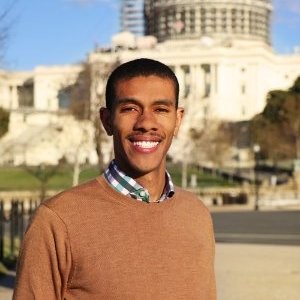
Phil Reeves is a Founding Partner at Apis & Heritage Capital Partners, a role he has held since the firm’s founding in 2020. Based in Washington, DC, Phil serves as a permanent member of the investment committee and oversees all aspects of the firm’s investment activities, including leading its debt capital raises. Apis & Heritage uses employee stock ownership plans (ESOPs) as an exit strategy for middle market business owners, with a mission of closing the racial wealth gap and building wealth for working people.
Prior to co-founding Apis & Heritage, Phil spent the majority of his career working with small and medium-sized businesses. He served as a Principal at Mercantile Strategies, a boutique advisory firm focused on strategy, capital raising, and M&A for SME founders. Before that, he was a Principal at 1863 Ventures, an accelerator program focused on growing minority and women-owned businesses, and served as Manager of Small Business Technology and Innovation for the DC Department of Small and Local Business Development. Phil began his career as an Analyst in the private equity division at Lehman Brothers.
Phil is a Phi Beta Kappa graduate of Morehouse College, where he earned a Bachelor of Arts in Finance.
Senior Managing Director
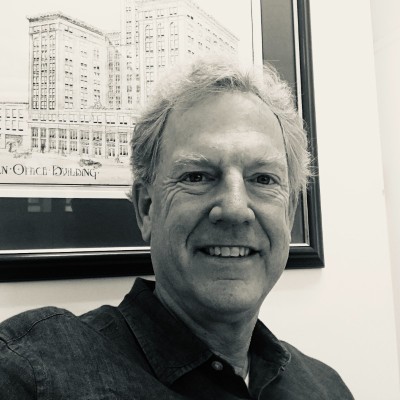
A co-founder of A&H, Michael is based in the San Francisco bay area where he helps oversee the western portfolio companies for A&H. His decades-long experience working with growth companies and founders gives him an ability to relate to founder/sellers who want to transact with A&H while also helping the new management team and workforce excel as an employee-owned company post-ELBO transaction.
Michael started his career as a US diplomat and then joined an international private equity firm for 10 years, rising to partner. In 2009 he co-founded Total Impact Capital, one of the first impact merchant banks in the US which has directed close to $400 million since inception into clean water, healthcare and regenerative agriculture projects around the world.
His commitment to public service continues: since 2009, Michael has been an elected council member for the city of Burlingame, California, and in 2023 he is serving as Mayor. Michael says, “The American Dream only works for one if it works for every one.” He thinks A&H and employee ownership are the best means to restore the American dream for the regular working person.


